
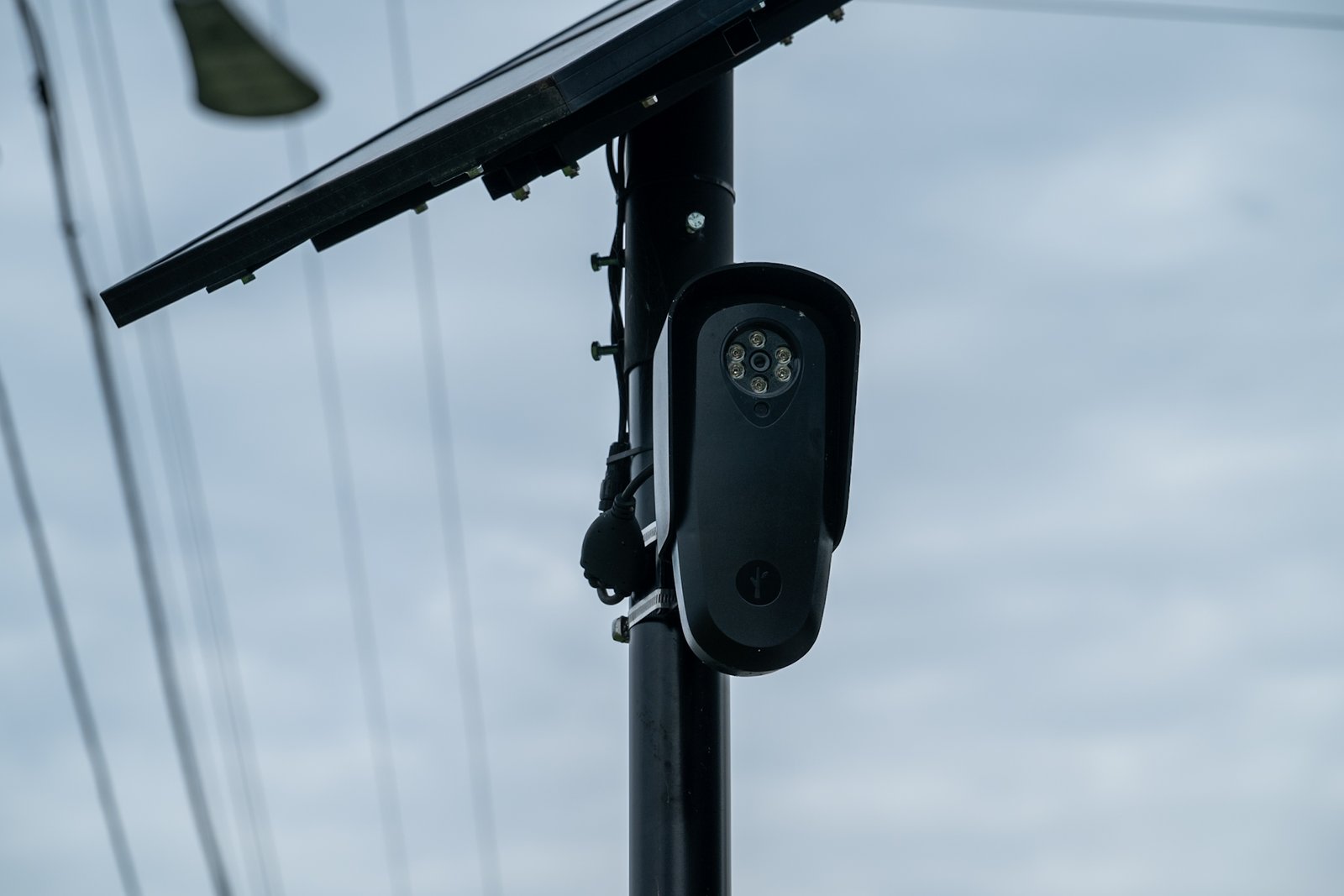
BLOUNT COUNTY — Recent developments in neighboring St. Clair County—where internal investigations led to the departure of officers in both Moody and Springville over automated license plate reader (ALPR) violations—validate ongoing local demands for transparency and rigorous audits of surveillance networks.
The fallout centers on database queries made outside official law enforcement parameters. In Moody, Police Chief Reece Smith confirmed an officer was terminated on July 16 following an internal review that flagged policy violations regarding the town’s Flock system. Meanwhile, Springville Police Chief Jason Mize reported that an internal audit revealed unauthorized searches run on a single day targeting a family member of a now-former officer, prompting the officer’s resignation.
Both cases have been forwarded to the Alabama Law Enforcement Agency (ALEA) to determine if criminal charges are warranted. Moody Mayor Nick Rutledge defended the department’s internal safeguards in a public statement, emphasizing a zero-tolerance policy for misuse while maintaining that the cameras remain vital tools for public safety.
For Blount County watchdogs, these incidents highlight precisely why routine access to automated surveillance logs matters. Unlike traditional policing methods, ALPR cameras silently capture the travel patterns, locations, and timestamps of everyday citizens without requiring a warrant or reasonable suspicion.
Without active, transparent monitoring of audit logs, the potential for database overreach remains an unchecked risk. As regional agencies grapple with the fallout of internal missteps, checking these records provides the necessary proof that automated tracking networks are being held to strict accountability standards.